How Commercial Construction Timelines Affect Business Operations
The commercial construction industry is a critical component of the broader economic landscape, driving not just urban development but directly impacting business operations. Construction timelines, while often underestimated, play a significant role in both planning and execution of business strategies. Understanding these timelines is essential for businesses, as they dictate project launch dates, operational capabilities, and potential growth trajectories. The influences of construction timelines extend over strategic planning, financial health, and even the morale of employees and customers. This article delves into the critical aspects of commercial construction timelines and highlights their direct and indirect effects on business operations.
Understanding Construction Timelines
Commercial construction timelines refer to the comprehensive schedule that outlines the stages and expected completion dates of a construction project. These timelines encompass every phase of the construction process, from initial site preparation to final occupancy. The scope of these timelines can vary significantly, influenced by factors such as project size, complexity, and regulatory requirements. For businesses, these timelines inform project planning and resource allocation. Effectively managing them ensures minimal disruption to business operations and aligns strategic initiatives with construction goals.
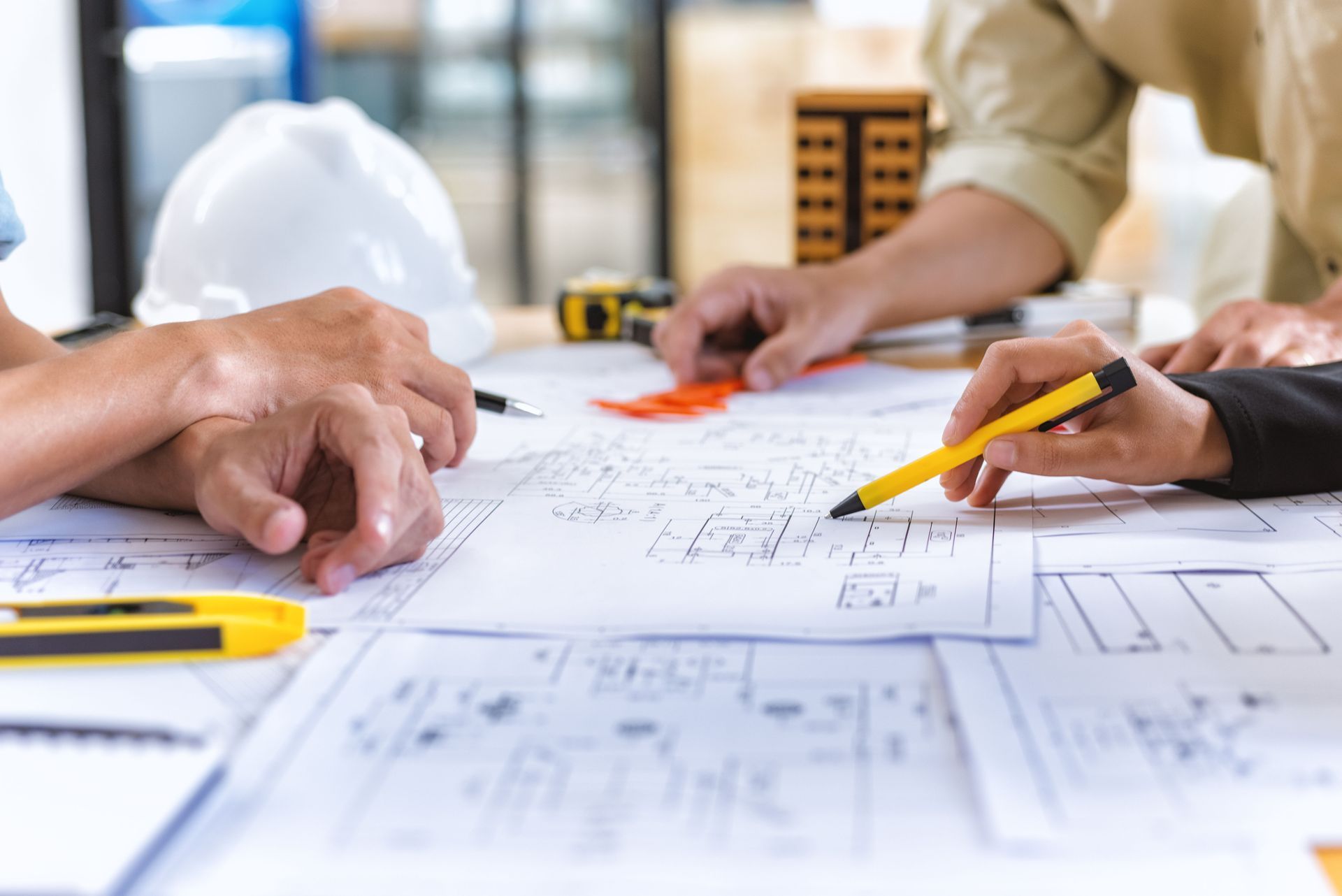
Commercial construction projects generally consist of several key phases: pre-design, design, pre-construction, construction, and post-construction. Each phase requires meticulous planning and coordination among various stakeholders to ensure timely progress. For instance, the design phase involves architects and engineers working closely to finalize specifications and blueprints. The construction phase sees the physical building of structures, which must adhere to design plans and regulatory compliance. Finally, the post-construction phase involves inspections and approvals to ensure the facility is ready for operational use, marking the project's completion.
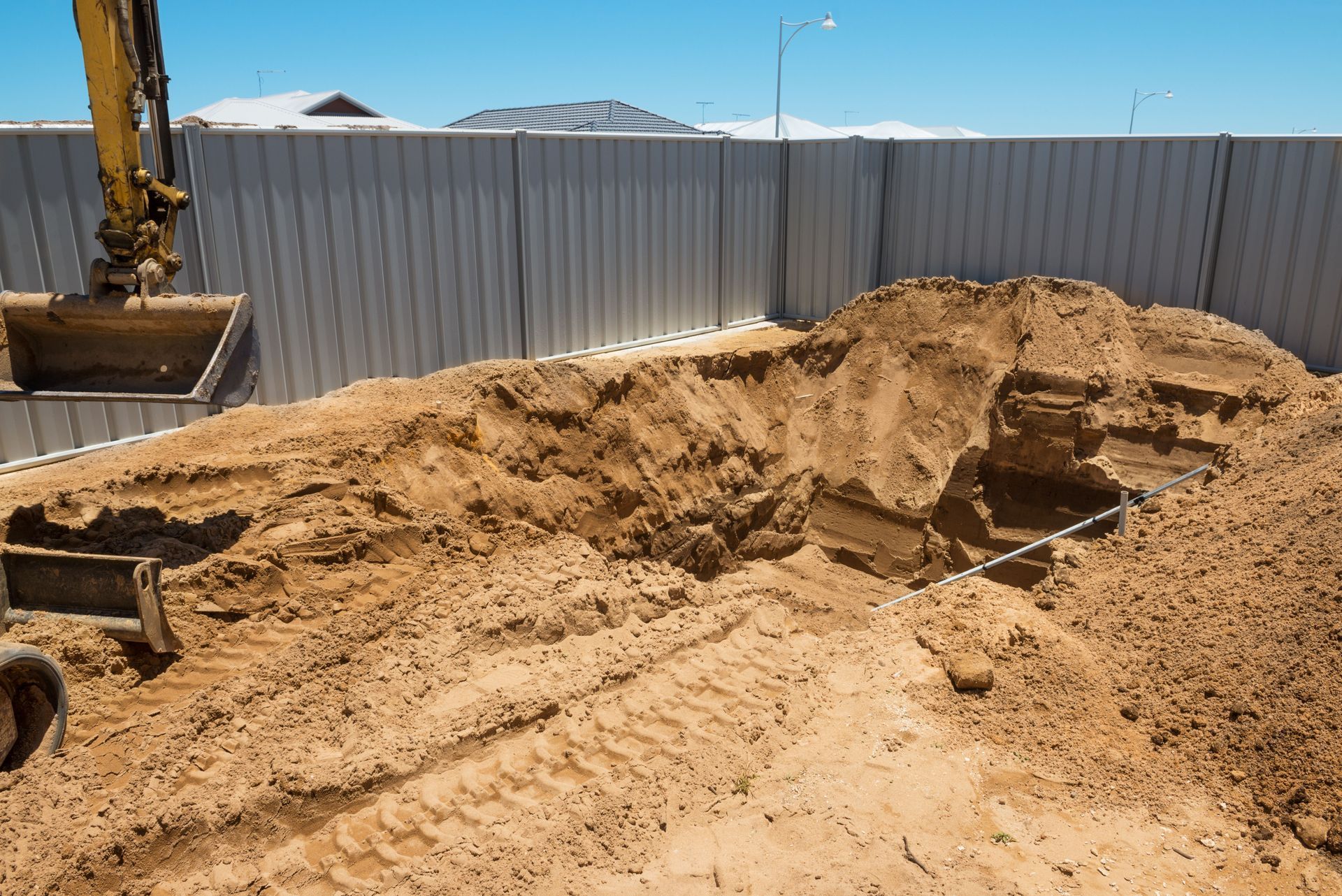
Several factors can influence construction timelines, including weather conditions, regulatory approvals, and resource availability. Delays in obtaining permits or unforeseen geological challenges can cause significant disruptions. For example, excavation costs, a major contributor to budget and timeline variations, range from $2.50 to $15.00 per cubic yard or between $1,100 and $5,600 on average, according to HomeGuide. Such fluctuations highlight the importance of thorough site assessments and contingency planning. Understanding these influencing factors allows businesses to better prepare and adjust their strategies accordingly.
Understanding Impact on Business Planning and Strategy
For a business, aligning its strategic goals with construction schedules is critical for maintaining alignment between operational capacities and growth objectives. Strategic alignment ensures that facilities will be ready to support business functions as planned, without jeopardizing timelines for launching products or services. Businesses often use construction timelines to inform logistics, staffing, and marketing strategies, scheduling activities to coincide with new facility launches. By synchronizing business goals with construction schedules, companies prevent operational gaps and enhance their strategic agility.
Delays in construction timelines can adversely affect strategic initiatives, causing ripple effects across business operations. Such delays may compel businesses to postpone product launches or market entries, affecting competitive positioning. The financial burden of delays also impacts budgeting, as unforeseen costs might necessitate reallocating funds from other strategic projects. Furthermore, prolonged timelines can erode stakeholder confidence and strain organizational relationships. Addressing potential delays early on through rigorous construction management and contingency strategies is essential for safeguarding business initiatives from the adverse effects of schedule slippage.
Risk management is an indispensable part of planning for commercial construction projects. This involves identifying potential threats that could delay timelines, inflate costs, or undermine quality, and developing strategies to mitigate these risks. Techniques such as thorough site assessments, stakeholder consultations, and scenario planning are commonly employed to understand potential challenges. Businesses can gain insights into potential risks and prepare mitigating actions, such as setting aside budgetary reserves and establishing flexible project schedules. A well-executed risk management plan helps ensure that construction timelines remain on track and business operations are minimally disrupted.
Understanding Financial Implications of Construction Delays
The direct financial costs associated with construction delays are significant and multifaceted. Prolonged construction timelines often lead to increased labor and material expenses, as extended project durations inflate initial budgets. Cost overruns can derive from overtime pay, potential penalties for missed deadlines, and increased administrative costs. Furthermore, delays can disrupt scheduled project funding streams, leading to cash flow issues.
Beyond immediate costs, the long-term financial implications of construction delays can impact a company's financial health and prosperity. Delays might postpone revenue generation from new facilities, affecting profitability and growth potential. Strategic initiatives tied to new construction may be stalled, affecting competitive positioning and market share. Longer-term financial vitality also depends on the ability to secure financing; frequent delays might deter investors.
In light of potential delays, businesses often need to adjust budgets and refine financial forecasts to maintain control over expenses. Budgeting for construction should incorporate contingencies, yet excessive delays may necessitate revisiting overall financial allocations. By continuously updating financial forecasts, businesses can better anticipate cash flow needs and adjust spending as needed. This agility ensures that resource allocations are commensurate with evolving project and operational demands. Effective budgeting and forecasting help mitigate adverse financial impacts and preserve the company's financial fluidity.
Understanding Effects on Employee Operations and Productivity
Workspace readiness is integral to seamless staff onboarding and operations. Delayed construction timelines can lead to postponed facility occupancy, affecting staffing schedules and onboarding processes. Maintaining flexibility in onboarding strategies and nice contingency plans, such as remote work arrangements, can help manage disruptions. Clear communication with employees about construction progress and timeline adjustments alleviates uncertainty. Ensuring that workspaces are prepared optimally supports employee productivity and minimizes interruptions during transition periods.
During construction disruptions, businesses face the challenge of sustaining employee productivity. Agile companies rely on strategic planning to maintain workflow continuity and operations resilience. This might include modifying work shifts, implementing remote work policies, or reorganizing project timelines. Supporting employees with the necessary technology, resources, and flexibility ensures consistent performance amidst construction-related disruptions. By prioritizing productivity solutions, businesses can mitigate the impact of extended timelines on workplace efficiency.
Extended construction timelines can adversely impact employee morale and engagement as employees face uncertainty and operational shifts. Businesses aiming to foster a positive work environment need to focus on transparent communication, acknowledging challenges and discussing mitigation measures openly. Providing employees with regular updates on construction progress and addressing concerns can foster trust and confidence. Implementing morale-boosting initiatives and engagement activities can mitigate frictions stemming from disrupted timelines.
Understanding Customer and Client Relations
Transparent communication with clients during construction projects is crucial for maintaining trust and relationships. Sharing regular updates, project milestones, and potential delays facilitates collaboration and understanding. Engaging clients through direct communication channels, such as newsletters or meetings, fosters a sense of involvement and partnership. Businesses can reduce the negative impact of construction-related changes by proactively addressing concerns and offering realistic timeline expectations.
Ensuring customer satisfaction during construction involves strategic planning and proactive communication. Businesses must anticipate potential operational disruptions and develop contingency plans to maintain service levels. Providing transparent information about construction progress and potential impacts keeps customers informed and engaged. Enhancing customer service strategies, such as offering alternative solutions or compensatory gestures, can mitigate dissatisfaction. By prioritizing customer experience, businesses can uphold service excellence and reinforce customer loyalty throughout construction periods.
Construction projects may pose challenges to client access and service continuity, requiring careful planning and execution. Businesses can address these challenges by implementing alternative service delivery methods, such as online platforms or temporary satellite locations. Special accommodations for clients accessing services, such as designated parking or entry points, improve convenience and satisfaction. Communicating these adjustments to clients ensures seamless service experiences and minimizes disruptions.
It's important to understand the interplay between
commercial construction timelines and business operations and see how proactive planning, effective communication, and strategic alignment are important. Construction timeline considerations influence business planning, financial management, employee operations, client relations, and long-term strategy development. If you want more information about how construction companies can help you get around some of the biggest hurdles, reach out to K & D Construction, Inc, and see what we can do for you!

Share On: