
How Underground Utility Upgrades Support Growing Communities
As communities expand, their infrastructure must evolve to support increasing populations, new developments, and changing demands. While roads, sidewalks, and buildings are highly visible parts of growth, underground utilities are equally important to a community's long-term success. Water lines, sewer systems, electrical conduits, and communication networks provide essential services that residents and businesses depend on every day. Through careful planning and professional construction, underground utility upgrades help communities improve reliability, accommodate development, and prepare for future needs.
Supporting Population Growth and New Development
Growing communities need infrastructure capable of serving more residents, businesses, and public facilities. Older utility systems may have been designed for smaller populations and less intensive development. As neighborhoods expand and commercial properties become more common, existing infrastructure can experience increased demand that affects its overall performance.
Upgrades to underground utilities help address these challenges by expanding system capacity and improving the condition of existing infrastructure. Civil contractors work on projects involving new utility connections, replacement pipelines, and expanded distribution networks. These improvements help ensure that developing areas have access to the essential services needed to support everyday activities.
Planning infrastructure improvements alongside new construction is particularly important. When utility systems are incorporated into development plans early, communities can avoid capacity limitations and reduce the likelihood of disruptive upgrades later. This coordinated approach supports more organized growth while helping municipalities prepare for future residential and commercial projects.
Improving the Reliability of Essential Services
Reliable underground utilities are fundamental to the operation of modern communities. Water distribution, wastewater collection, electricity, and telecommunications all depend on infrastructure that functions consistently. Aging pipes, deteriorating connections, and outdated installations can increase the likelihood of service interruptions and costly repairs.
Upgrading underground systems allows communities to address infrastructure weaknesses before they create more significant problems. Civil contracting projects may involve replacing deteriorated utility lines, improving connections, or installing updated materials designed to meet current performance requirements. These improvements help strengthen the infrastructure residents and businesses rely on.
Reliability is especially important for commercial and industrial properties. Businesses depend on consistent utility access to maintain operations, serve customers, and support employees. Investing in underground infrastructure helps create dependable conditions for economic activity and makes communities more attractive locations for future development.
Replacing Aging Underground Infrastructure
Many communities rely on underground utility networks that were installed decades ago. Although these systems may continue functioning for years, aging materials and outdated construction methods can eventually create maintenance challenges. Corrosion, leaks, damaged joints, and shifting ground conditions can all affect underground infrastructure.
Replacing aging utilities helps municipalities address these concerns while improving the long-term condition of their infrastructure. Civil contractors assess project requirements, coordinate excavation, remove or replace outdated components, and install updated systems. The specific work depends on the type of utility involved, the condition of the existing network, and the needs of the surrounding area.
According to the Alliance for Innovation and Infrastructure, it's estimated that there are more than 20 million miles of underground utilities throughout the United States. Maintaining and upgrading this extensive network is an ongoing responsibility that requires careful planning, skilled construction, and coordination between utility providers and local authorities.
Expanding Water Distribution and Wastewater Systems
Water and wastewater infrastructure plays a central role in supporting healthy, functional communities. As populations increase, municipalities must ensure that water distribution networks can provide adequate service while wastewater systems have sufficient capacity to handle additional demand.
Water utility upgrades may involve installing larger distribution lines, replacing deteriorated pipes, adding new service connections, or extending existing networks into developing areas. These improvements help support consistent water delivery to homes, businesses, schools, and public facilities.
Wastewater improvements are equally important. Expanding sewer lines and replacing outdated components can help systems accommodate additional connections while reducing the risk of leaks, blockages, and other infrastructure problems. Proper installation and coordination for underground utilities are essential because wastewater networks must function effectively across extensive underground routes.
Preparing Communities for Modern Communication Needs
Reliable communication infrastructure has become increasingly important as communities depend on digital services for education, business, healthcare, and everyday communication. High-speed internet, fiber-optic networks, and other telecommunications systems require underground pathways that protect cables and support reliable connections.
Underground conduit installation provides a way to expand communication networks while keeping important infrastructure protected beneath the ground. Civil contractors may prepare trenches, install conduits, construct access points, and coordinate the placement of utility components according to project specifications.
Expanding these networks can help underserved areas gain access to improved connectivity while supporting the needs of existing residents and businesses. Modern communication infrastructure also helps communities accommodate future technological developments without relying entirely on older systems.
Enhancing Public Safety and Infrastructure Protection
Underground utility upgrades can contribute to safer and more dependable public infrastructure. Damaged utility lines, deteriorating connections, and improperly maintained systems can create risks for surrounding properties and public spaces. Identifying and addressing these concerns helps reduce the potential for service failures and infrastructure-related hazards.
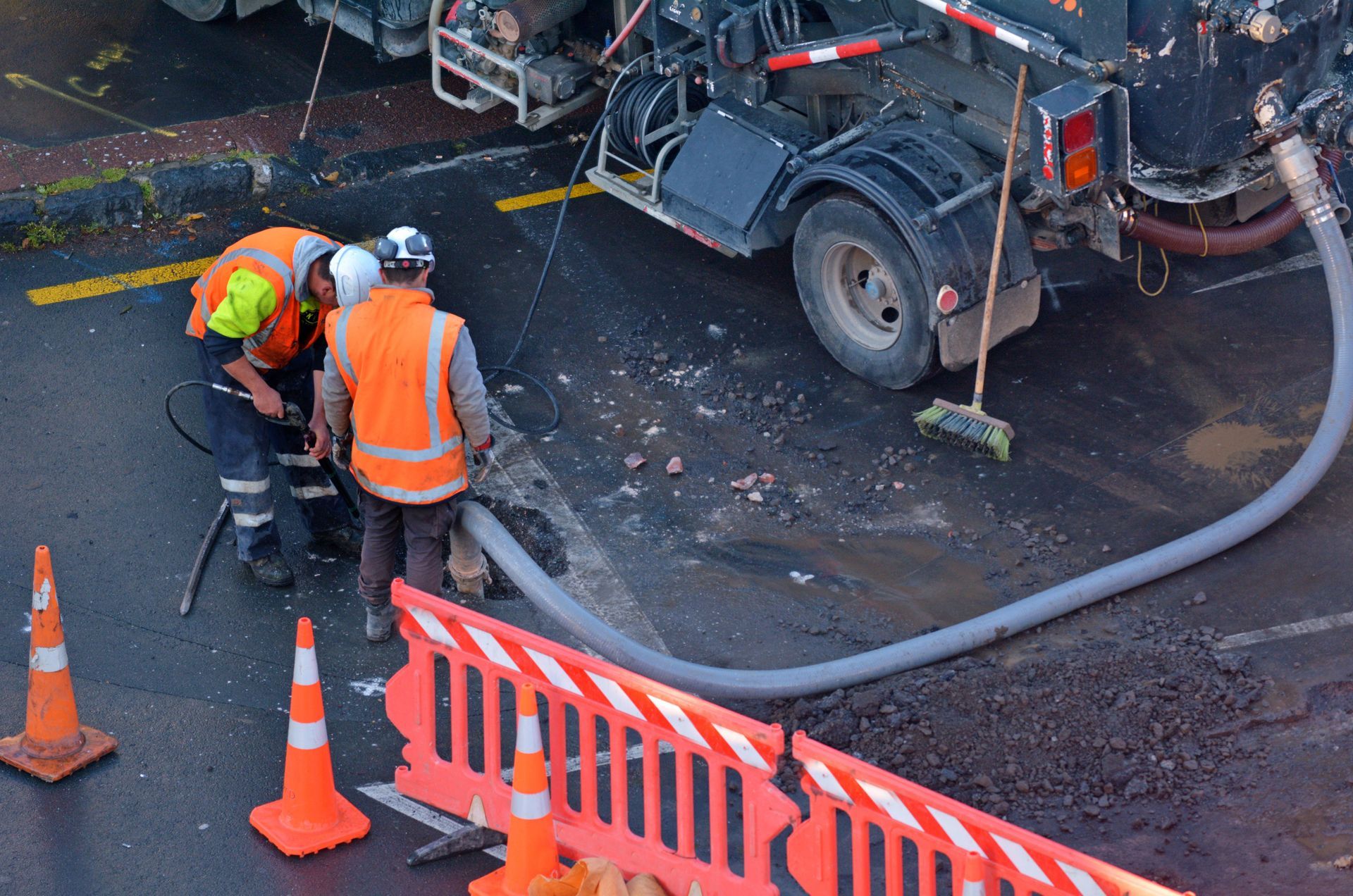
Proper construction practices are essential throughout the installation process. Contractors must account for existing underground utilities, follow excavation safety requirements, and coordinate with relevant utility providers before beginning work. Locating existing lines and understanding their positions helps reduce the risk of accidental damage during excavation.
Protecting underground systems also involves selecting appropriate materials, following installation specifications, and ensuring that connections are properly completed. These considerations help support the safe operation of utility networks and reduce the likelihood of problems developing after construction is finished.
Supporting More Efficient Infrastructure Planning
Underground utilities involve multiple systems, property requirements, and construction considerations. Water, sewer, electrical, and communication networks may occupy the same general areas, making coordination essential. Without proper planning, construction activities can create conflicts between existing infrastructure and proposed installations.
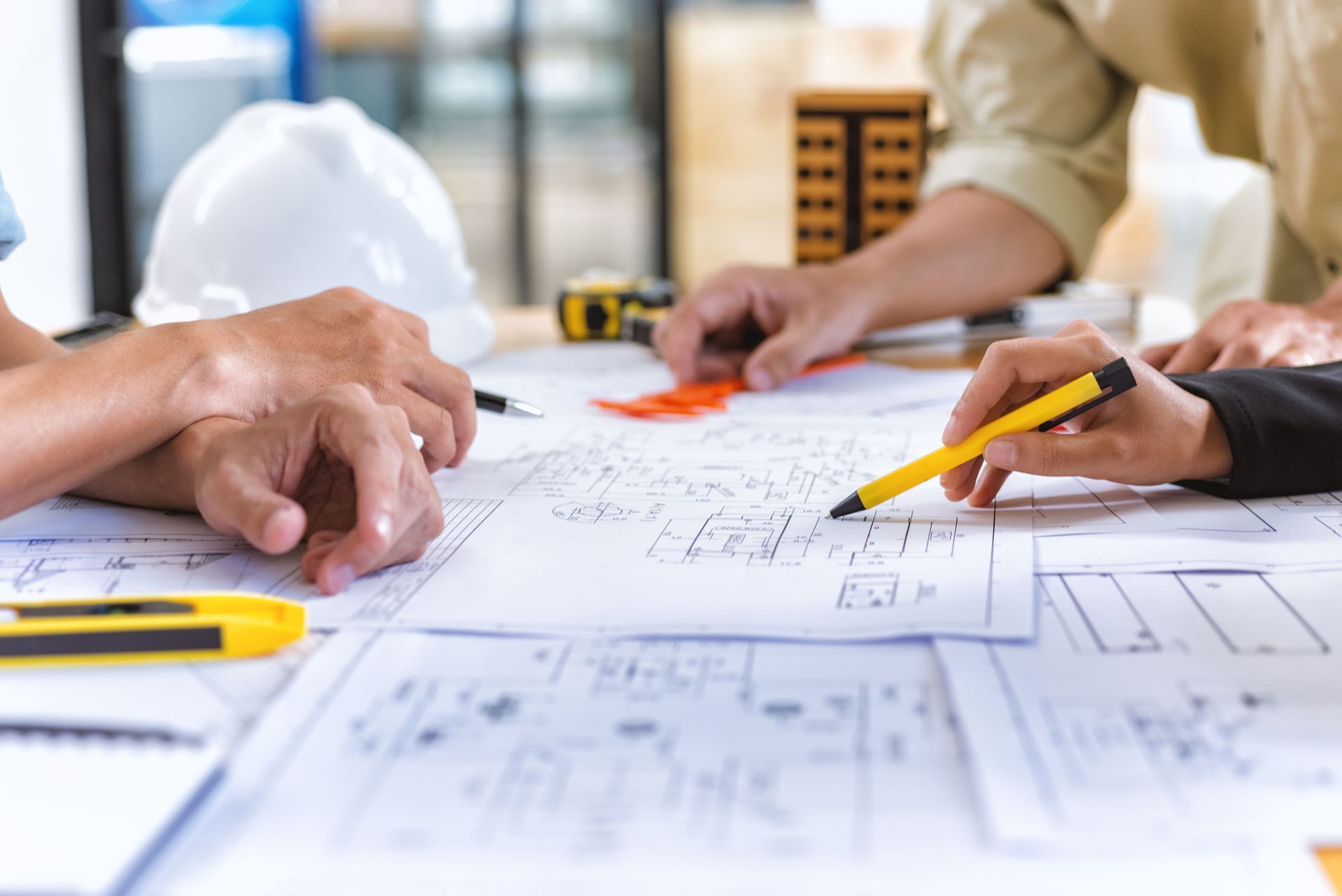
Civil contracting companies help organize these complex projects by evaluating site conditions, reviewing construction plans, and coordinating the work involved in installation or replacement. They consider factors such as utility locations, excavation requirements, access limitations, and the sequence of construction activities.
Effective planning can also reduce unnecessary excavation and prevent situations in which newly installed infrastructure must be disturbed to accommodate another project. Coordinating upgrades with road improvements, site development, and other municipal construction activities can help communities use their infrastructure budgets more effectively.
Minimizing Disruptions During Construction
Although underground utility upgrades provide important long-term benefits, construction can temporarily affect residents, businesses, and transportation routes. Excavation, equipment movement, and restricted access may create challenges for people who use nearby roads and properties.
Experienced civil contractors help minimize these disruptions through organized scheduling and careful site management. Construction teams coordinate work areas, establish appropriate traffic controls, and communicate project requirements to the relevant parties. When possible, contractors also organize construction activities in phases to limit the amount of an area affected at one time.
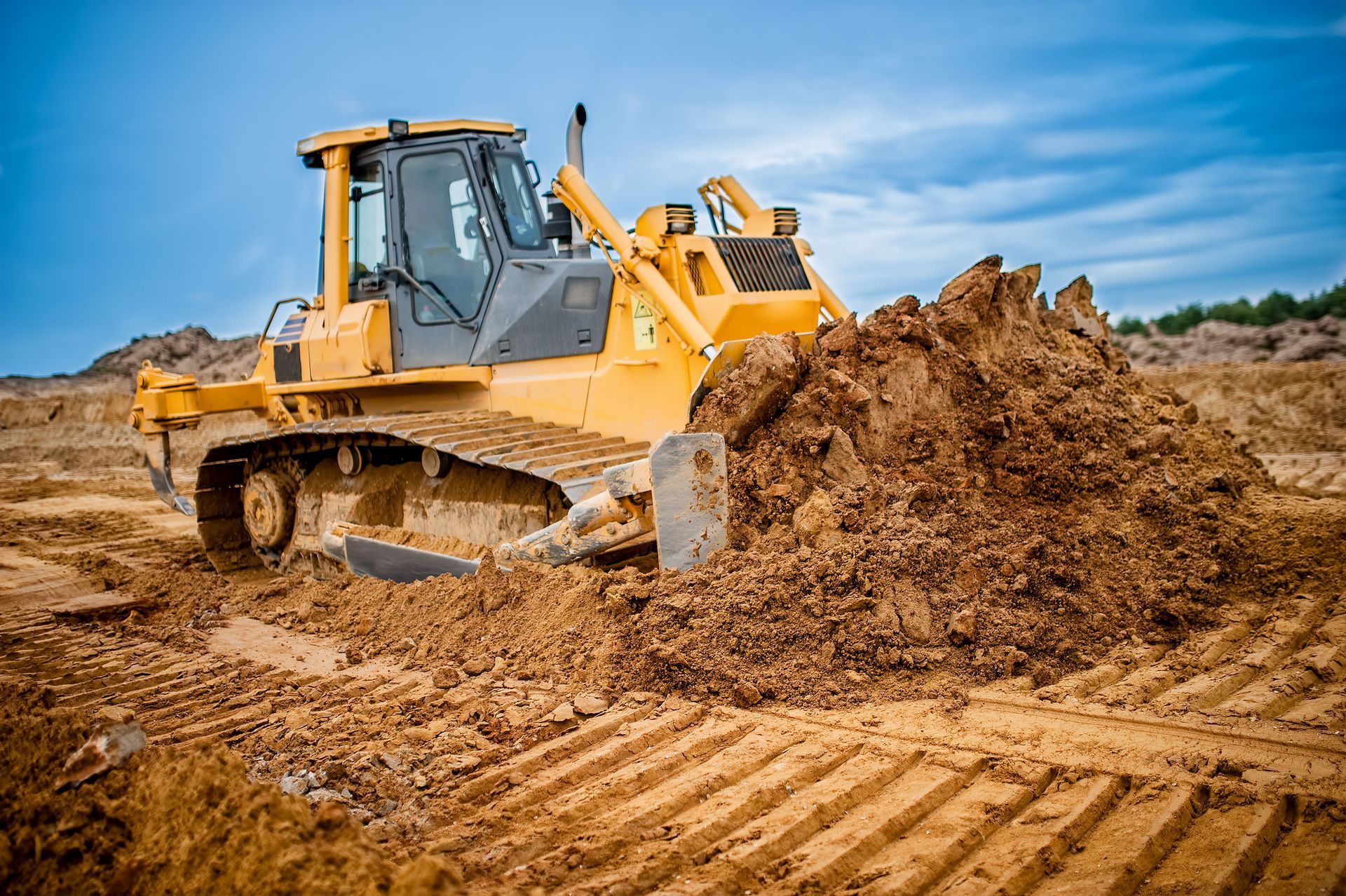
Restoring disturbed surfaces is another important part of the process. After utility installation is complete, affected areas may require backfilling, compaction, grading, and pavement restoration. Completing these tasks properly helps return roads, sidewalks, and surrounding properties to functional conditions while supporting the overall quality of the project.
Working with an experienced civil contracting company provides communities with the construction knowledge, equipment, and project coordination needed to complete complex infrastructure improvements. Through careful planning, responsible excavation, and quality installation, contractors help build underground systems that support residents, businesses, and future development. Investing in reliable underground utilities today creates a stronger foundation for communities as they continue to grow. Contact our team at K & D Construction, Inc to learn more!

Share On: