What a General Contractor Does During Each Phase of Construction
The role of a general contractor in construction projects is a pivotal one. A general contractor takes the helm of project management, ensuring that each phase of construction is executed seamlessly. The contractor's expertise spans various domains, from initial planning and budgeting to the final walkthrough and maintenance services. This article delves into the responsibilities and tasks of a general contractor during each construction phase, highlighting the importance of effective management throughout the project. By understanding these roles, we can appreciate the general contractor's integral part in delivering projects within time, scope, and budget constraints.
1. Pre-Construction Phase
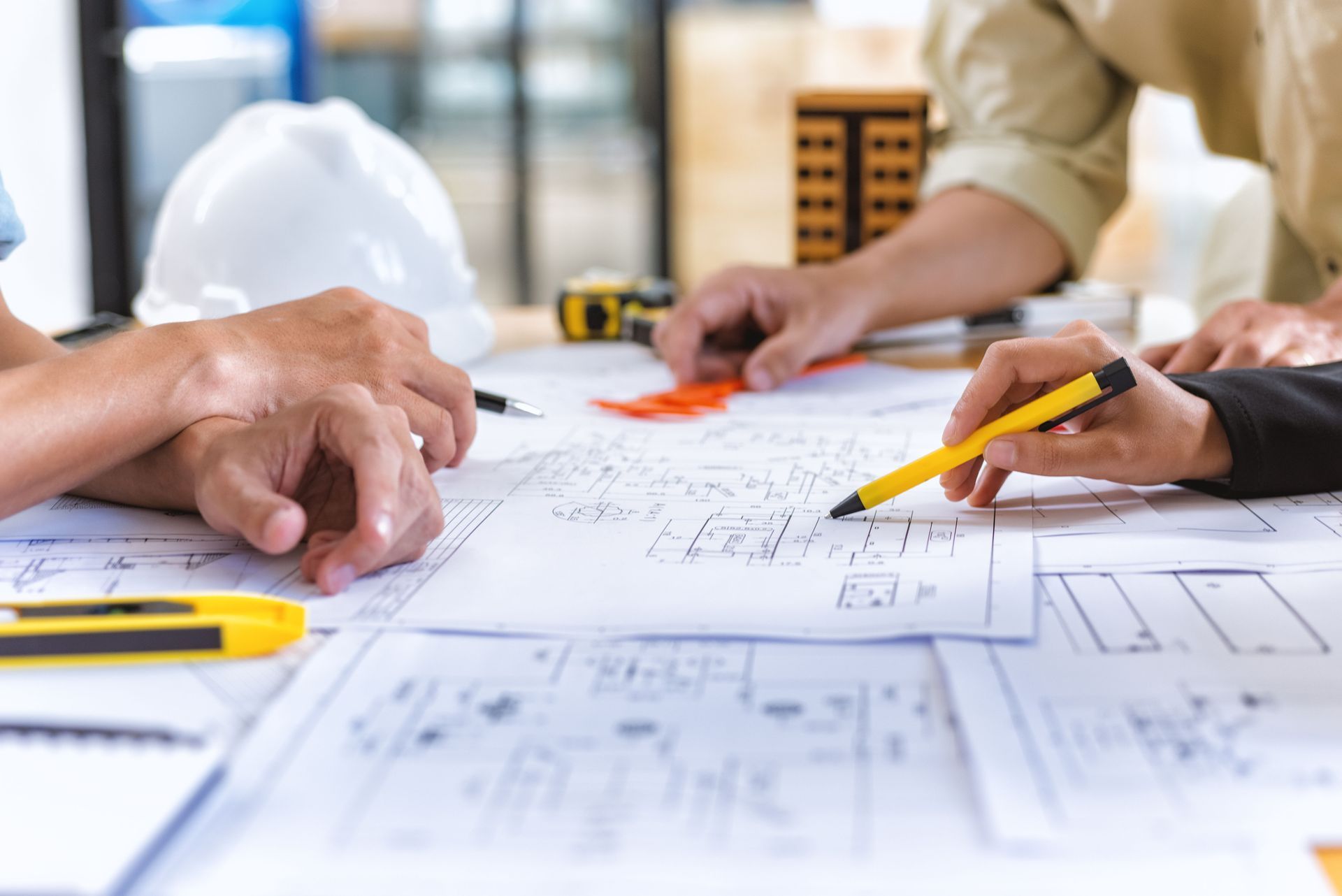
In the pre-construction phase, initial planning and feasibility assessment lay the groundwork for the entire project. The general contractor collaborates with architects and engineers to review designs and ensure they align with project goals and client expectations. During this stage, it's crucial to conduct site assessments, understand local zoning laws, and evaluate environmental impact. These factors collectively inform feasibility and guide the project's trajectory. Such meticulous evaluation helps avert potential pitfalls and aligns the project with regulatory standards.
Budgeting and cost estimation follow, where the general contractor plays a critical role. They analyze materials, labor, and time costs to establish an accurate financial plan. By closely examining each line item, the contractor ensures the project stays financially viable from start to end. Proper budget allocation prevents delays and enables smooth procurement and execution once construction begins. The contractor must also allow for contingencies to accommodate unforeseen expenditures, ensuring minimal impact on the project timeline.
The general contractor is instrumental in project design and engineering coordination. Working closely with design teams, they ensure the architectural and structural plans meet client specifications and industry standards. During this phase, obtaining necessary permits and approvals from local authorities is paramount. This allows for legitimate progression from planning to execution, keeping the project within legal boundaries. Lastly, developing a project schedule sets the tempo for the entire construction process, ensuring all activities align with the project's strategic timeline.
2. Procurement Phase
The procurement phase is a crucial step in the construction process, involving sourcing and purchasing materials. A general contractor focuses on acquiring high-quality materials that meet the project specifications. They balance cost-efficiency with quality assurance, ensuring materials are obtained within budget without compromising standards. Moreover, establishing supplier relationships is vital for securing timely deliveries and reliable sources. This proactive approach in procurement can mitigate delays often encountered due to material shortages or supplier issues.
Subcontractor selection and bidding are other significant responsibilities of a general contractor during procurement. They identify and hire qualified subcontractors, ensuring the workforce is skilled and dependable. The contractor orchestrates a competitive bidding process to achieve favorable terms while maintaining quality standards. Contract negotiations follow, laying the groundwork for clear expectations and accountability. Through well-drafted contracts, general contractors safeguard project interests, setting clear benchmarks for performance and ensuring legal compliance.
Quality assurance and control measures implemented during procurement are integral to the project's success. The general contractor assumes responsibility for verifying material quality and conformity with project specifications. By instituting rigorous quality checks, they preempt issues that could derail later phases of construction. This proactive stance on quality control contributes to project durability and client satisfaction. Effective procurement managed by a diligent general contractor directs the course for a smooth construction phase.
3. Construction Phase
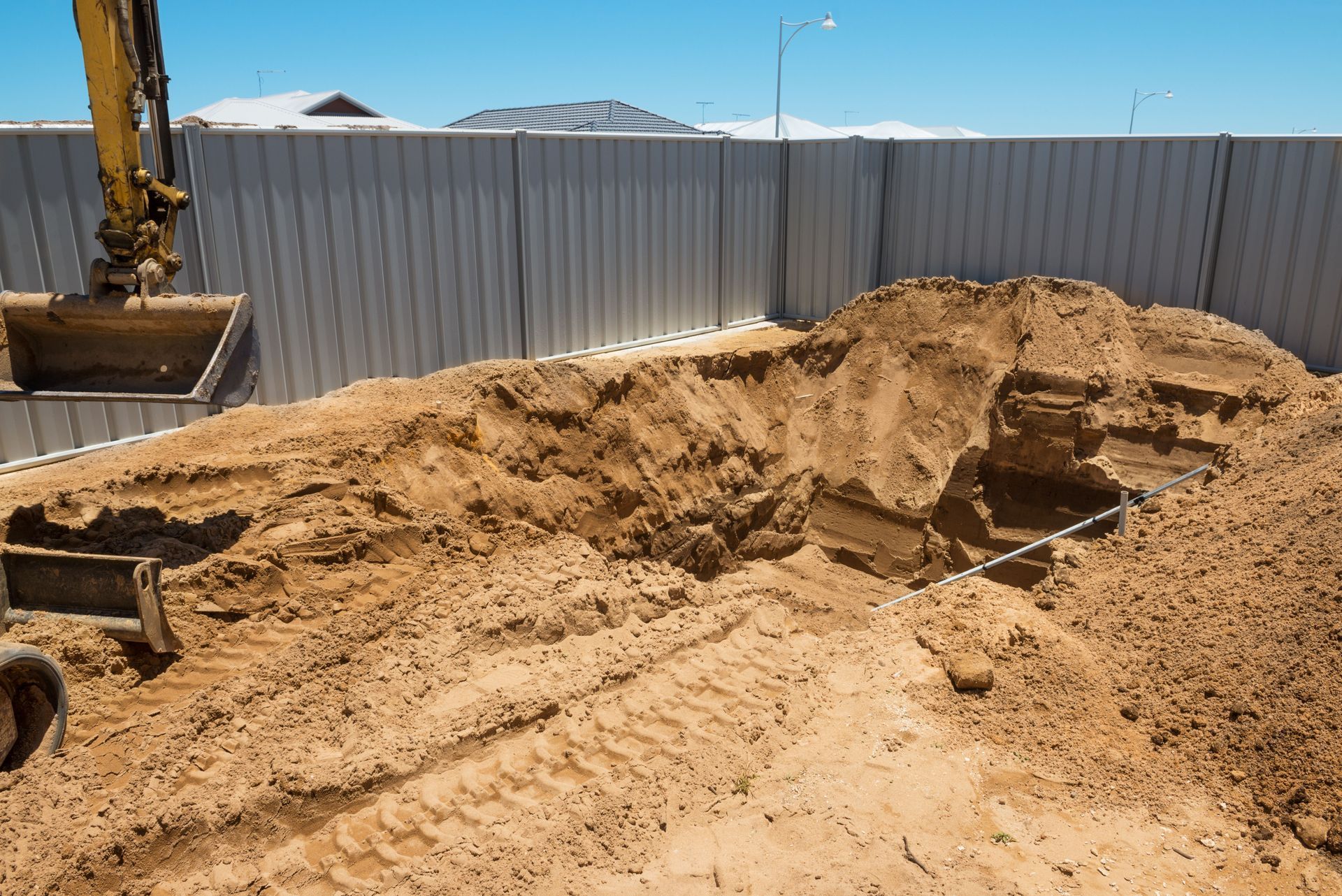
The construction phase commences with site preparation and mobilization, activities critical to transitioning from planning to execution. The general contractor ensures the site is cleared, leveled, and set up to facilitate efficient construction. They oversee the placement of temporary facilities, equipment, and utilities needed for daily operations. Mobilization signifies a shift from planning to tangible action, requiring precise coordination of resources. Effective site preparation lays the foundation for subsequent construction activities, mitigating risks of delays and ensuring safety standards.
During daily operations management, the general contractor directs on-site activities, ensuring that construction proceeds according to plan. They coordinate tasks across various trades, aligning multiple workflows to maintain pace and efficiency. Integrating subcontractor efforts is crucial, and the general contractor keeps an updated schedule to avoid bottlenecks. Regular monitoring of progress ensures adherence to the project timeline and identifies areas needing adjustment. Effective operations management translates plans into action, driving the construction phase toward timely completion.
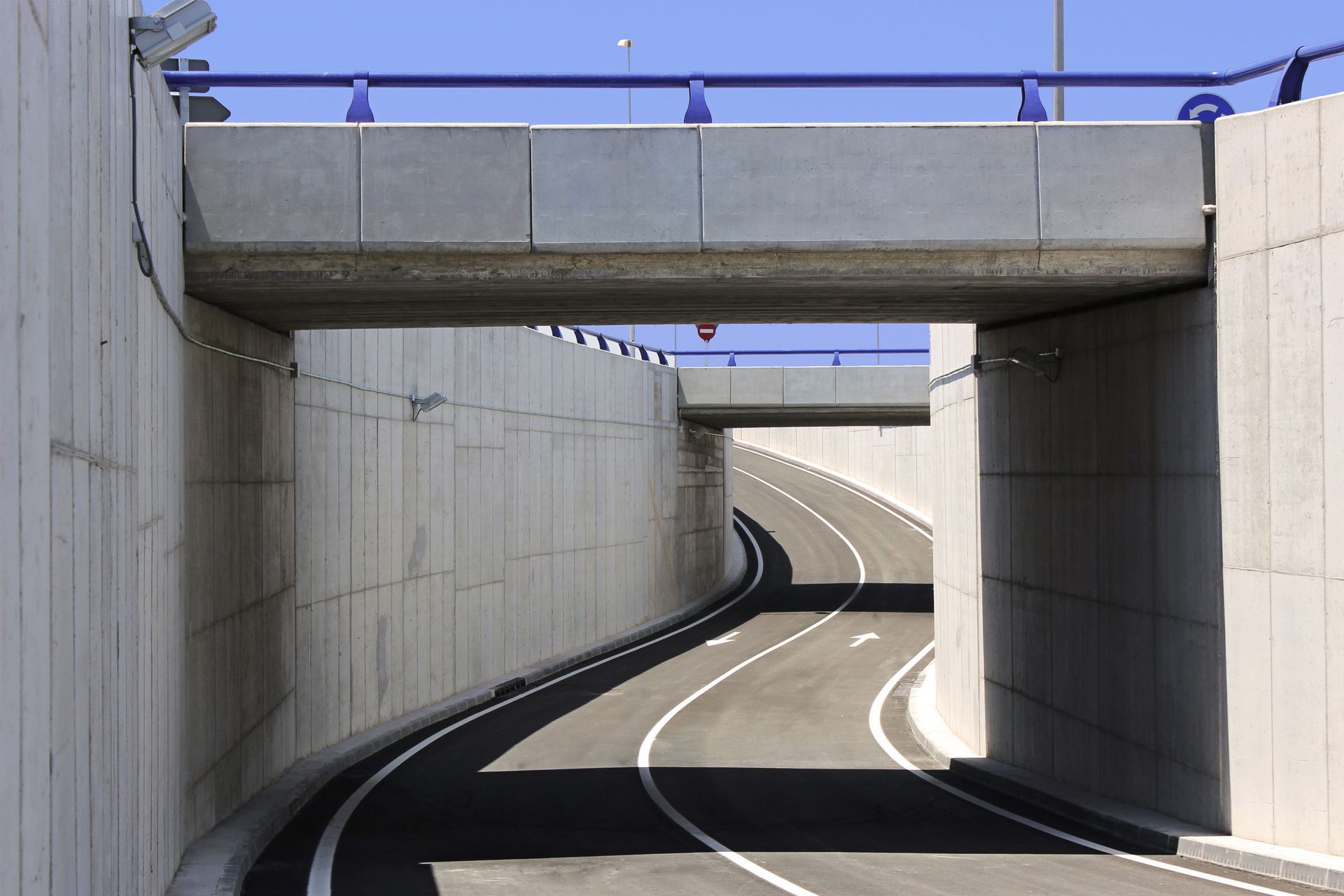
Ensuring compliance with safety standards remains a top priority throughout construction. The general contractor implements rigorous safety measures to protect workers and ensures adherence to occupational health regulations. These efforts not only prevent accidents but also avoid costly interruptions that can jeopardize project timelines. According to ASCE's 2025 Infrastructure Report Card, more than 4.9 billion motor vehicle trips were taken each day across the nation's 623,218 bridges, underscoring the importance of maintaining high safety standards in construction. Through regular safety audits and ongoing training, the general contractor fosters a safety-first culture on-site, safeguarding both workers and project integrity.
4. Post-Construction Phase
The post-construction phase initiates with final inspections and testing to ensure the project meets all specifications and regulatory standards. The general contractor oversees this critical evaluation step, coordinating with inspectors and engineers to certify the quality and safety of the constructed facility. Any issues identified are addressed promptly, with the contractor ensuring corrective actions align with project goals. This final quality assurance step confirms all project parameters meet or exceed expectations, readying the project for client handover. Successful inspections and testing reinforce the project's durability and compliance.
Following inspections, the punch list and corrections phase begins, where outstanding issues are documented and rectified. The general contractor works closely with subcontractors to resolve deficiencies swiftly, ensuring project completion meets client standards. This phase guarantees no detail is overlooked, reinforcing the project's quality control efforts. Swift completion of punch list items facilitates the transition to occupancy permits and documentation phases, advancing the project toward closure. Timely corrections underscore the contractor's commitment to delivering a high-quality finished product.
Occupancy permits and documentation pave the way for the project to transition from construction to operational status. The general contractor assembles necessary documentation for regulatory bodies to grant occupancy. This includes warranties, maintenance manuals, and compliance certificates, empowering clients with vital information for ongoing facility management. The client walkthrough and acceptance phase represent the project's handover, where the contractor presents the completed facility. During this walkthrough, the contractor addresses any final client concerns, ensuring satisfaction and formally transferring project ownership.
5. Financial Management Throughout the Project
Effective financial management is a core responsibility of the general contractor, encompassing cost tracking and control throughout the construction project. The contractor meticulously monitors expenses to prevent budget overruns, maintaining alignment with the prepared financial plan. Close cost management ensures resources are allocated judiciously across project phases. Managing cash flow is critical, as uninterrupted funds availability supports ongoing operations without financial disruptions. By implementing robust tracking mechanisms, the contractor prevents financial imbalances and sustains project velocity.
Financial reporting and documentation facilitate transparent tracking of project expenditures, promoting accountability and informed decision-making. The general contractor prepares detailed reports outlining expenditures, funding sources, and forecasts, providing stakeholders with comprehensive financial insights. This transparency builds trust and underscores the contractor's diligence in financial stewardship. Handling change orders is another aspect wherein financial expertise is crucial, as the contractor evaluates scope modifications and implements pricing adjustments. These amendments are documented meticulously, ensuring consistent alignment with project goals and budgets.
The multifaceted responsibilities of a general contractor during the various phases of construction underscore their critical role in any building project. Through careful planning, procurement, execution, and management, they ensure the project is delivered on time, within budget, and to specification. Their expertise in financial management, risk mitigation, and problem-solving is instrumental in overcoming the inherent complexities of construction. As we have seen, the role is one of orchestration, requiring strategic oversight and precise coordination of numerous moving parts. Ultimately, the general contractor is key to the seamless completion of a construction project, ensuring its success from conception through to realization. If you're looking for a general contractor, contact K & D Construction, Inc today.

Share On: