
Understanding the Process of Bridge Replacements: What Communities Need to Know
Bridge reconstruction is a critical part of maintaining safe and efficient transportation networks. Each year, thousands of bridges across the United States require repair, replacement, or upgrades to accommodate growing traffic demands and ensure public safety. Aging infrastructure, increased vehicle loads, and environmental factors all contribute to the need for timely replacements, making proactive planning essential for communities. According to ASCE's 2025 Infrastructure Report Card, more than 4.9 billion motor vehicle trips were taken each day in 2024 across the nation’s 623,218 bridges, slightly exceeding the daily total reported in 2021. This growing volume highlights the importance of maintaining bridges that can safely handle heavy traffic while minimizing delays and disruptions. For communities, understanding the process of bridge replacements is essential not only to plan for construction but also to anticipate traffic detours, coordinate with local authorities, and maintain public confidence in infrastructure projects, ensuring that each replacement supports long-term mobility, safety, and economic vitality.
Properly executed bridge reconstruction also provides an opportunity to improve accessibility, add pedestrian or cycling lanes, and incorporate environmentally conscious design features, such as improved drainage systems and erosion control measures. These enhancements not only extend the lifespan of the bridge but also improve overall community infrastructure, supporting local growth and development.
Plan With Care for Effective Bridge Modifications
The first step in any bridge replacement project is careful planning. Engineers and civil construction teams assess the bridge’s current condition, traffic volumes, and surrounding infrastructure to determine the best replacement strategy. Planning includes detailed inspections, structural evaluations, and environmental assessments to identify potential hazards or complications.
Communities also need to consider traffic rerouting and communication strategies to minimize disruption. Informing residents, businesses, and emergency services about project timelines and alternative routes is a critical part of the planning phase. Public engagement and transparency help build trust while allowing residents to prepare for temporary changes. Proper planning ensures that bridge replacements are completed on schedule, with minimal inconvenience to the public and maximum long-term benefit.
Evaluate With Precision the Bridge Condition
Before replacement work begins, engineers evaluate the existing bridge to identify which components must be replaced or reinforced. This includes examining the foundation, supports, decking, and load-bearing elements. Many older bridges may show signs of structural fatigue, corrosion, or wear that make them unsuitable for continued use without replacement.
Advanced evaluation techniques, such as 3D laser scanning, structural health monitoring, and load-testing simulations, help provide accurate data on bridge integrity. These insights inform decisions on whether partial rehabilitation or full replacement is necessary. By investing in a thorough evaluation, communities avoid unexpected delays, reduce costs over time, and ensure that bridge replacements address both current safety concerns and future traffic demands.
Design With Modern Standards for Lasting Results
After evaluation, the design phase of bridge modifications begin. Engineers create detailed plans for the new structure, selecting materials and designs that provide long-term durability and performance. Modern bridges are engineered to handle heavier traffic loads, extreme weather, and evolving transportation needs.
Design considerations may also include aesthetics, accessibility for pedestrians and cyclists, and environmental impacts such as stormwater management and wildlife protection. Choosing sustainable materials and efficient construction methods not only reduces environmental impact but also extends the lifespan of the bridge. Selecting durable materials like reinforced concrete and weather-resistant steel ensures communities benefit from safe, low-maintenance infrastructure for decades.
Coordinate With Local Authorities for Seamless Execution
Bridge replacements often require collaboration with local governments, utility providers, and transportation agencies. Coordination ensures that permits, traffic rerouting, and safety measures are in place before construction begins.
Collaboration also helps address community concerns about noise, access, and construction schedules. Environmental agencies may provide guidance to protect waterways and surrounding ecosystems. By working closely with local authorities and stakeholders, construction teams can prevent costly delays, maintain safety standards, and ensure smooth project execution. Well-coordinated projects minimize disruption for residents and businesses while keeping traffic flowing efficiently during construction.
Execute With Skilled Construction Teams
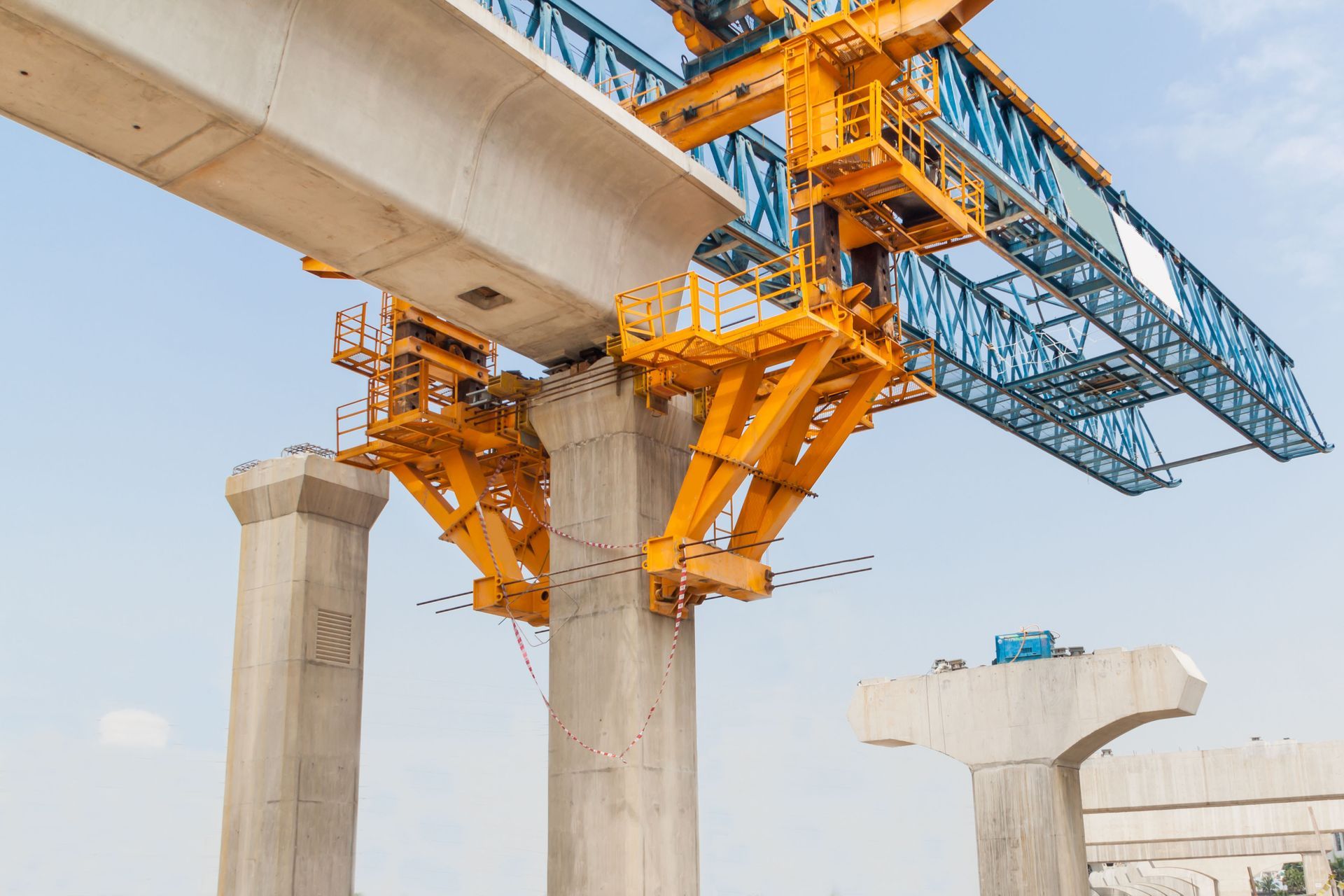
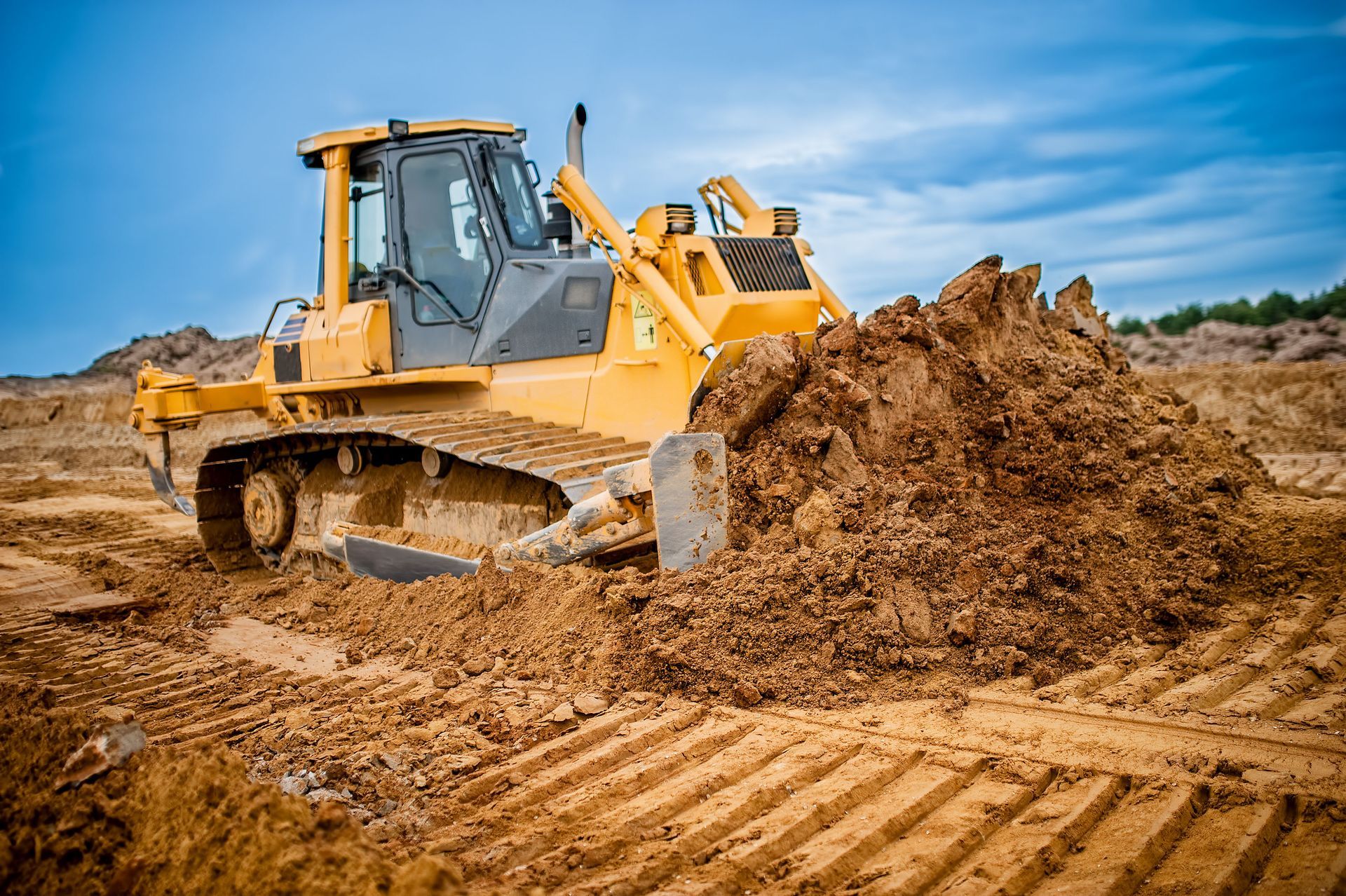
The execution phase brings the plans to life. Experienced civil construction and excavation contractors carry out the physical work of replacing the bridge. This can involve demolition of the old structure, foundation work, installation of new supports, and construction of the bridge deck.
Modern construction techniques and specialized equipment make it possible to complete bridge replacements efficiently while maintaining high safety standards. Construction teams also continuously monitor work quality and schedule adherence, adapting to unforeseen challenges such as weather changes or material delays to keep the project on track. A well-executed project not only improves safety but also enhances public confidence in the reliability of local infrastructure.
Manage With Ongoing Oversight and Safety
Effective management is essential throughout the bridge replacement process. Project managers oversee timelines, budgets, and worker safety, ensuring all aspects of construction align with design specifications and regulatory requirements.
Safety protocols are especially critical, as bridge replacements often occur over busy highways, rivers, or other sensitive areas. Regular site inspections, safety audits, and compliance checks help reduce accidents and maintain a secure work environment. This oversight ensures that every bridge replacement project meets quality and safety expectations from start to finish, while also protecting surrounding communities.
Maintain With Long-Term Planning Post-Construction
Once a bridge replacement is complete, long-term maintenance planning ensures the structure remains safe and functional for years to come. Regular inspections, cleaning, and minor repairs help prevent deterioration and extend the bridge's lifespan. Communities that invest in maintenance reduce the likelihood of costly emergency repairs or premature replacement.
Maintenance planning can include structural monitoring, roadway resurfacing, and vegetation management around bridge approaches. These proactive measures protect both the public and the investment in infrastructure, ensuring that the bridge continues to serve the community effectively while reducing long-term costs.
Support With Experienced Contractors
Working with experienced contractors who provide civil construction, underground utilities, road construction, and excavation services ensures that bridge replacements are handled efficiently and professionally. Qualified teams bring technical expertise, project management skills, and a commitment to safety that benefits every phase of the project. Their experience allows them to anticipate challenges, implement best practices, and maintain a steady workflow to minimize delays.
Choosing a contractor with experience in both bridge reconstruction and related infrastructure projects allows communities to coordinate construction effectively, especially when multiple services, such as utility relocation or roadway improvements, are involved. Experienced teams communicate closely with local authorities and stakeholders, aligning each phase with safety regulations, traffic management plans, and environmental requirements.
This approach reduces risks from complex engineering challenges while ensuring a reliable, high-quality end result. With the right contractor, bridge reconstruction becomes a coordinated, well-executed process that supports community growth, mobility, and public confidence in infrastructure improvements.
Bridge replacements are complex, multi-step projects that require planning, precision, and experienced teams to succeed. From initial evaluation and design to execution and long-term maintenance, every phase plays a critical role in delivering a safe and durable bridge. With traffic volumes continuing to grow, according to ASCE’s 2025 report, timely bridge reconstruction is essential for maintaining efficient transportation networks and public safety.
At K&D Construction, Inc, we provide civil construction, bridge replacement, underground utilities, road construction, and excavation services. We manage projects with care and precision, ensuring communities receive high-quality infrastructure that meets both current needs and future demands. By combining technical expertise with careful planning and community-focused execution, we help make bridge replacement projects a smooth, efficient process. Contact us today to learn how we can support your next bridge replacement project and help keep traffic moving safely.

Share On: